


Earthquake in Venezuela:
Children urgently need your
help
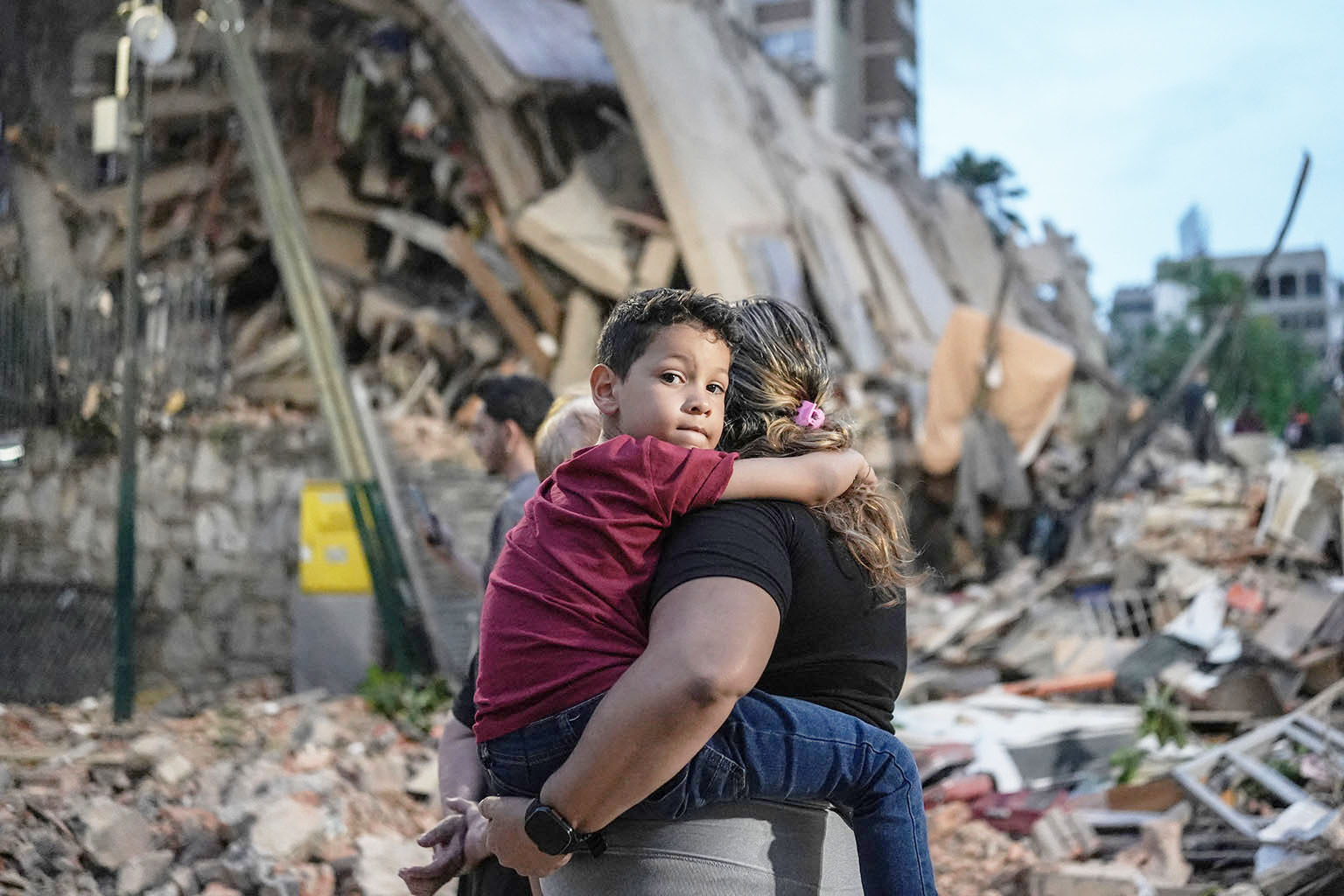
On 24 June 2026, Venezuela was struck by two devastating earthquakes measuring 7.2 and 7.5 on the Richter scale. Buildings, hospitals and schools have been damaged, while essential services such as water and electricity supply, as well as healthcare, have been disrupted in the areas that were hit the hardest. An estimated 1.8 million people, including 680,000 children, are in urgent need of humanitarian assistance.
1.800.000
million people need urgent help
680.000
children have been affected by the
earthquake
68 tona
of aid are already on their way
In just a matter of moments, many children and families lost their safety, their homes and access to essential support. According to UNICEF’s latest assessment, up to 6.76 million people may be affected by the earthquakes, including around two million people in Caracas.
The number of people affected is expected to continue rising as rescue teams reach affected areas and new data on the extent of the damage becomes available.
When a disaster strikes, children are among the most vulnerable. Many have lost family members, their homes and their sense of security. They are exposed to the risk of injury, displacement, fear and long-term stress. They urgently need shelter, food, drinking water, healthcare and protection.
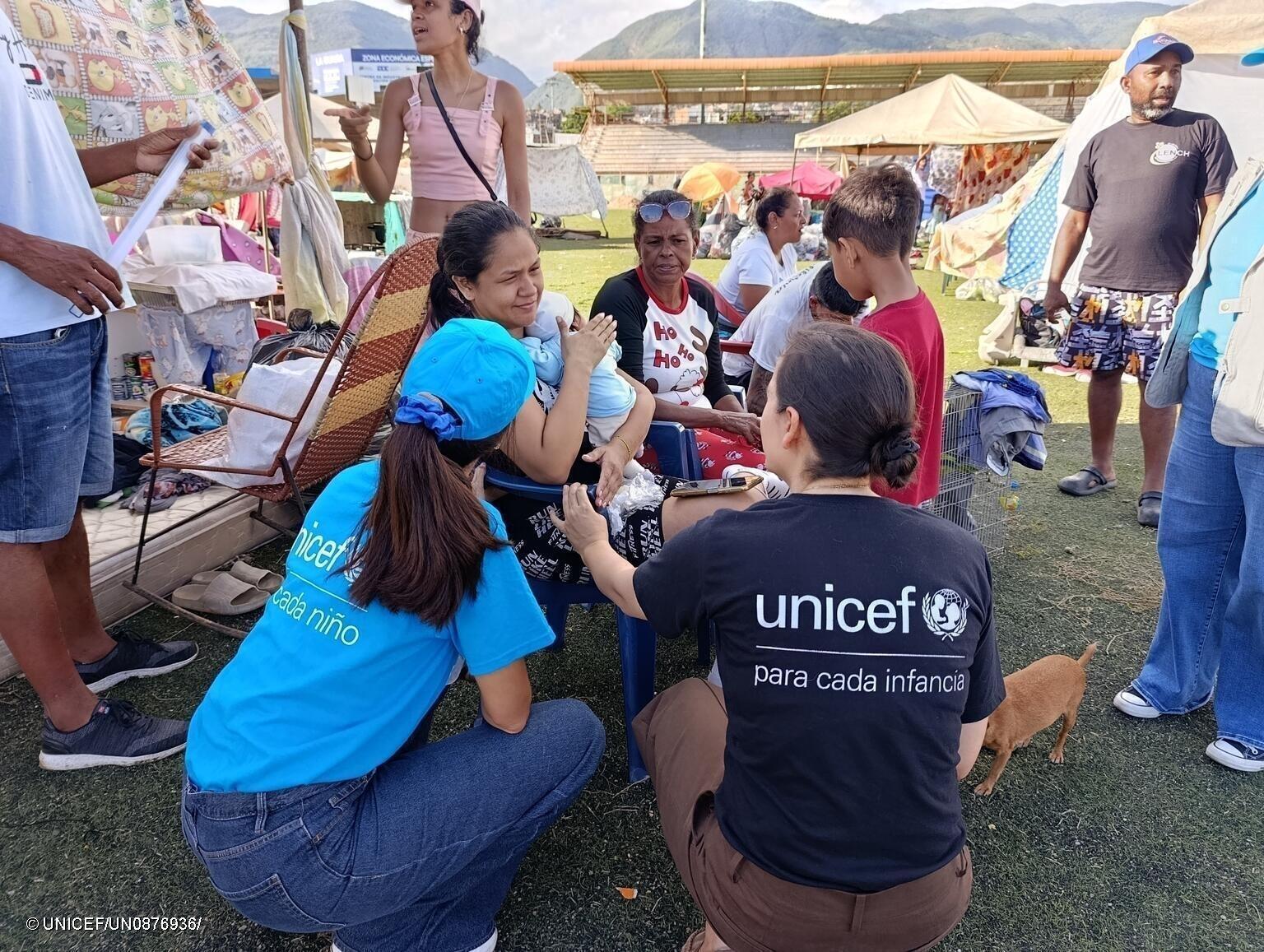
In the chaos following the earthquake, children are also exposed to additional risks, including separation from their families, violence, abuse, exploitation, trafficking and child labour. UNICEF is supporting efforts to identify and reunite children with their families, establish safe spaces for children, provide psychosocial support, and strengthen child protection mechanisms in temporary shelters and affected communities.
UNICEF is already at the location, delivering the most essential assistance. Even before the earthquake, Venezuela was facing a severe humanitarian crisis, and this disaster has further worsened the situation for children and families. A rapid response is critical to save the lives of the most vulnerable.
UNICEF is scaling up its emergency response to reach approximately 650,000 people, including 234,000 children, with interventions aimed at ensuring access to healthcare, nutrition, safe drinking water, sanitation and hygiene, child protection and education.
HELP THE CHILDREN OF VENEZUELA
We need your support to help save lives and restore safety and hope for children whose lives have been shattered by the earthquake.
With your donation, you help provide:
- 1
Temporary shelter for families who have lost their homes;
- 2
Emergency health and nutrition interventions;
- 3
Restoration of water supply and sanitation services;
- 4
Psychosocial support for children and family members who have experienced trauma;
- 5
Water delivery and purification, installation of water distribution points, filters, portable toilets, and distribution of hygiene kits;
- 6
Emergency paediatric care, support for pregnant women, infants and mothers, as well as nutritional screening for children in shelters;
- 7
Safe spaces for children and basic learning materials and activities that help them regain a sense of safety and return to daily routines;
Damage to health facilities across several states has further strained the system and made it more difficult to provide healthcare to children, pregnant women, newborns and mothers. UNICEF’s priorities include supporting emergency paediatric, obstetric and neonatal care, as well as ensuring appropriate nutrition for infants and young children in emergency settings.
Current situation in Venezuela
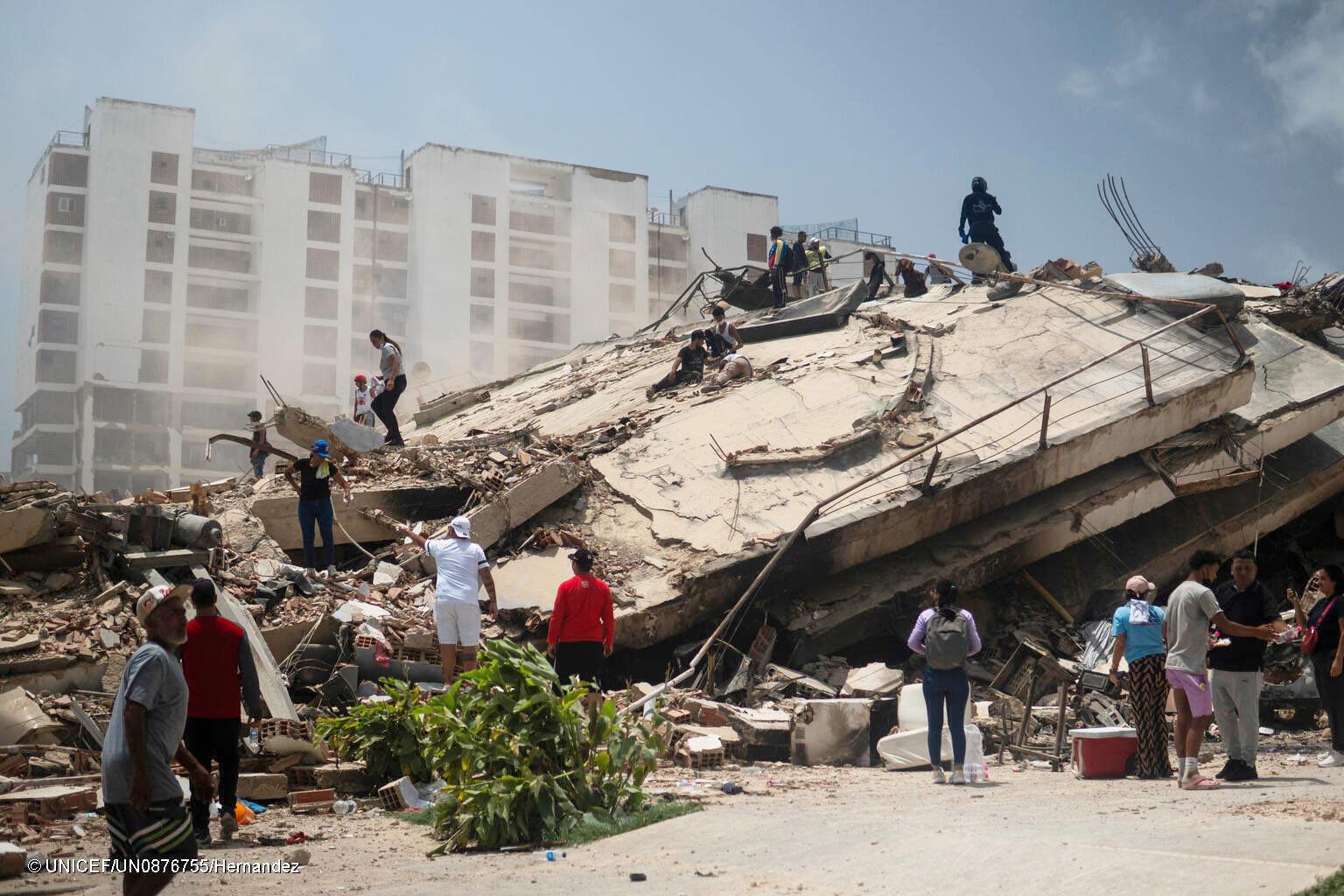
The earthquakes have struck a country that was already facing a prolonged and complex humanitarian crisis. It is estimated that even before the disaster, around 7.9 million people, including 3.9 million children, were in need of humanitarian assistance. The earthquakes are further increasing needs and deepening risks for children and families. Without timely support, millions of people face a continued deterioration in living conditions and long-term consequences.
Preliminary reports indicate that only in the capital district, damage has been reported to 432 affected schools, representing around 34% of all schools in the area. Additional damage assessments are expected in other severely affected states. Some schools that have not suffered major structural damage are being used as temporary shelters for displaced families, making it essential to ensure continued access to education, safe spaces for play, as well as support for restoring daily routines and psychosocial recovery for children.
UNICEF estimates that USD 52 million is required for the earthquake response. These funds are urgently needed at a time when the humanitarian appeal for Venezuela in 2026 is only 35% funded, making immediate and flexible funding critical to sustain and scale up the response.
Donor FAQ
How do earthquakes affect children?
Earthquakes destroy homes, schools and hospitals, disrupt electricity and water supply, and expose children to injury and trauma. Children may be separated from their parents, displaced, and at risk of violence, neglect and exploitation.
Children in temporary shelters and informal camps are particularly vulnerable, where overcrowding, lack of privacy and limited access to services increase the risk of violence, family separation and psychosocial distress.
What are the urgent needs after an earthquake?
The most urgent needs include safe shelter, safe drinking water, food, healthcare, psychosocial support and protection from violence. Schools, hospitals and other essential services must be restored so that children and families can gradually return to safer living conditions.
In the initial phase, the priority is to provide emergency health and nutrition support, safe water, sanitation, child protection, psychosocial support, and temporary spaces for learning and play.
How does my donation help?
Your donation enables UNICEF to procure and distribute emergency supplies such as tents, blankets, hygiene kits, medicines and safe water equipment, as well as the support for a long-term recovery through the restoration of essential services, strengthening of the health system, support for education and protection of children.
Donations help UNICEF respond quickly to rapidly changing needs: delivering supplies, supporting partners on the ground, setting up safe spaces for children, and ensuring that the most vulnerable families receive timely assistance.