
Milica’s story: The importance of timely support
Why is children’s mental health important?
How can parents provide support?
How to reduce stress in children?
How to recognize signs of depression and anxiety?
Share post
Children’s mental health is essential for their development, education and future. Young people of today are facing numerous challenges: stress at school, social expectations, peer pressure and social media. During this unique and often confusing phase of life, parents play a crucial role in safeguarding the mental health of both their children and the entire family.
However, caring for mental health is not just the responsibility of individual families – it also requires a society that understands and supports children and youth, as well as a community that offers solutions. UNICEF advocates for the provision of practical advice, support and resources that can help prevent the development of more serious problems.
What is mental health?
Mental health is a state of well-being in which we are aware of our capabilities, can successfully handle various life situations, and feel in control of our lives. For children, this also means successfully balancing school responsibilities, first romantic experiences, and social relationships with peers.
However, sharing one’s psychological difficulties is often stigmatized. Many children avoid talking about their problems with parents or friends for fear of being judged.
Milica’s story: The importance of timely support
Milica is a 22-year-old student of the Faculty of Dramatic Arts in Belgrade. She enjoys theatre and spending time with friends. But it wasn’t always this way.
Her problems started early, after her parents’ divorce.
“It was a turbulent time, and that’s when the first signs of insecurity and fear began to surface. I was afraid of being abandoned”, Milica explains.
Her mother Tatjana recalls: “She began withdrawing; she was no longer as bold or assertive as she used to be.”
The start of high school brought new challenges.
“I wasn’t socializing with anyone”, Milica says. Her emotional discomfort soon began to affect her physical health, too. “Mom noticed something was wrong. I remember we sat down, and she asked me – what’s happening? What do you want me to do for you? That was the turning point. For the first time, I opened up about what was weighing on me.”
Tatjana emphasizes the importance of parents’ timely response: “Every parent must listen to their children... You need to recognize that look, that smile – whether it's there or not.”
Today, Milica highlights the importance of speaking openly about mental health: “Talking about mental health is nothing to be ashamed of. Talk about yourself, talk about what you need, talk about how you feel. It helped me, and I’m sure it will help you, too.”
Why is children’s mental health important?
Just like physical health, mental health is essential for a happy and fulfilling life. Children who develop good emotional stability:
- learn and acquire new skills more easily,
- cope better with stressful situations,
- build healthier relationships with peers, family and others around them.
Unfortunately, symptoms such as depression and anxiety can go unnoticed. Another challenge is the still existing stigma surrounding mental health issues, especially when it comes to children and youth. The truth is, no one is completely immune to mental health difficulties – both adults and children can experience uncomfortable feelings, thoughts or behaviors that impact their quality of life.
How can parents provide support?
Open communication and emotional support
The first and most important step is conversation. Talking about emotions and challenges helps children:
- understand their feelings – when a child knows that sadness, anger or fear are normal emotions, it’s easier to process and share them;
- develop resilience – open communication in the family prepares children to face stress without suppressing emotions or reacting aggressively;
- build self-confidence – when a child knows they can trust and approach a parent or close person, they will have a stronger sense of safety and acceptance.
Creating routine and a safe environment
Children feel more secure when they have a consistent daily routine, as it helps them manage stress more effectively. Setting clear rules and structure reduces uncertainty and supports the psychological stability of the whole family.
In such an environment, a child can handle challenges more easily and adapt to change.
- A consistent schedule reduces stress and helps the child organize their responsibilities and free time.
- Clear rules and family structure provide a sense of stability and predictability.
When children feel they “know what to expect”, there’s less uncertainty and they have more space to explore and grow.
How to reduce stress in children?
Physical activity and spending time outdoors
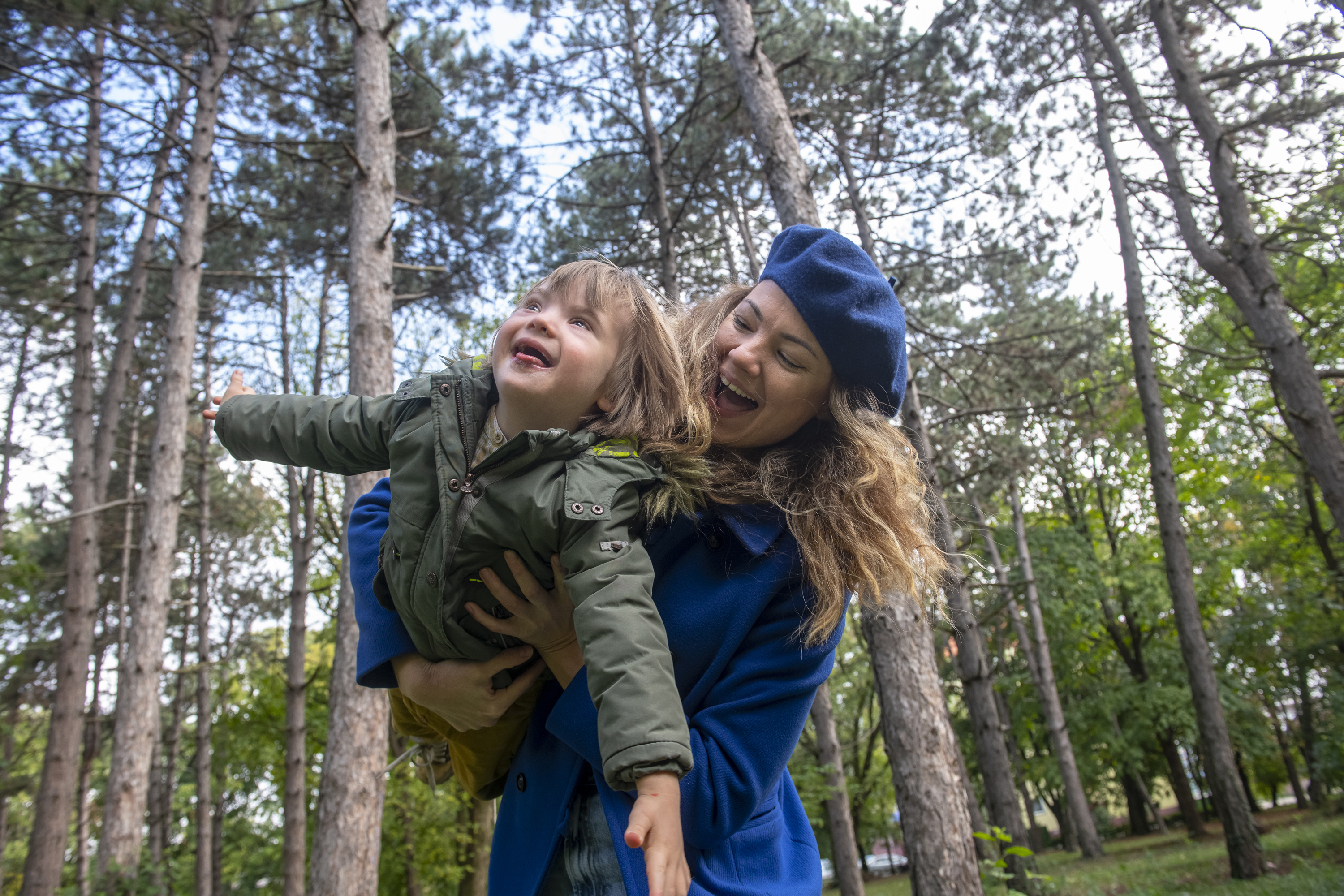
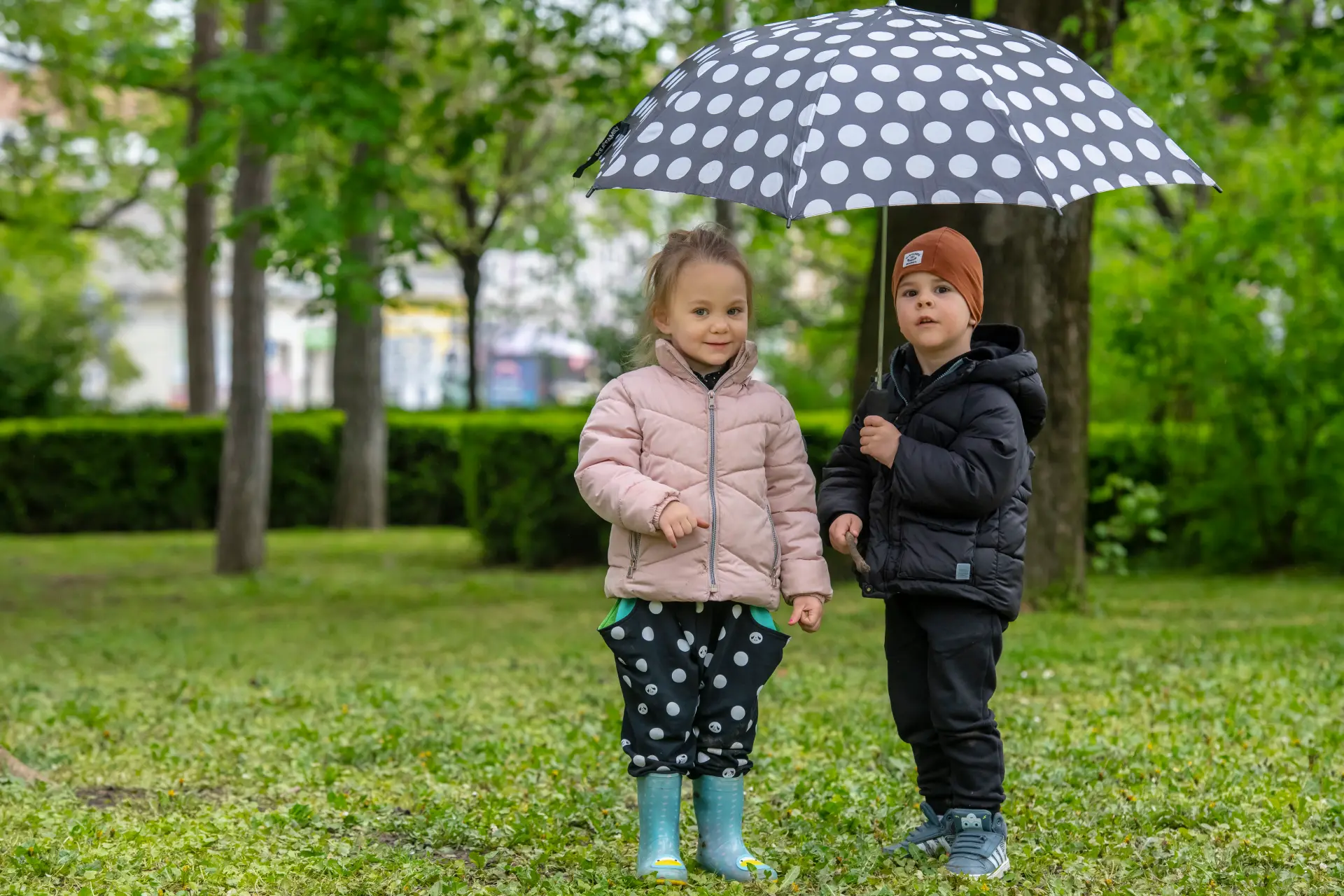
Evidence shows that regular physical activity reduces stress and improves mood. A child doesn’t need to be a professional athlete, it is enough to go for walks, ride a bicycle or run in the park. Occasional excursions into nature can also strengthen the family, encourage bonding and create valuable shared memories.
Limiting screen time
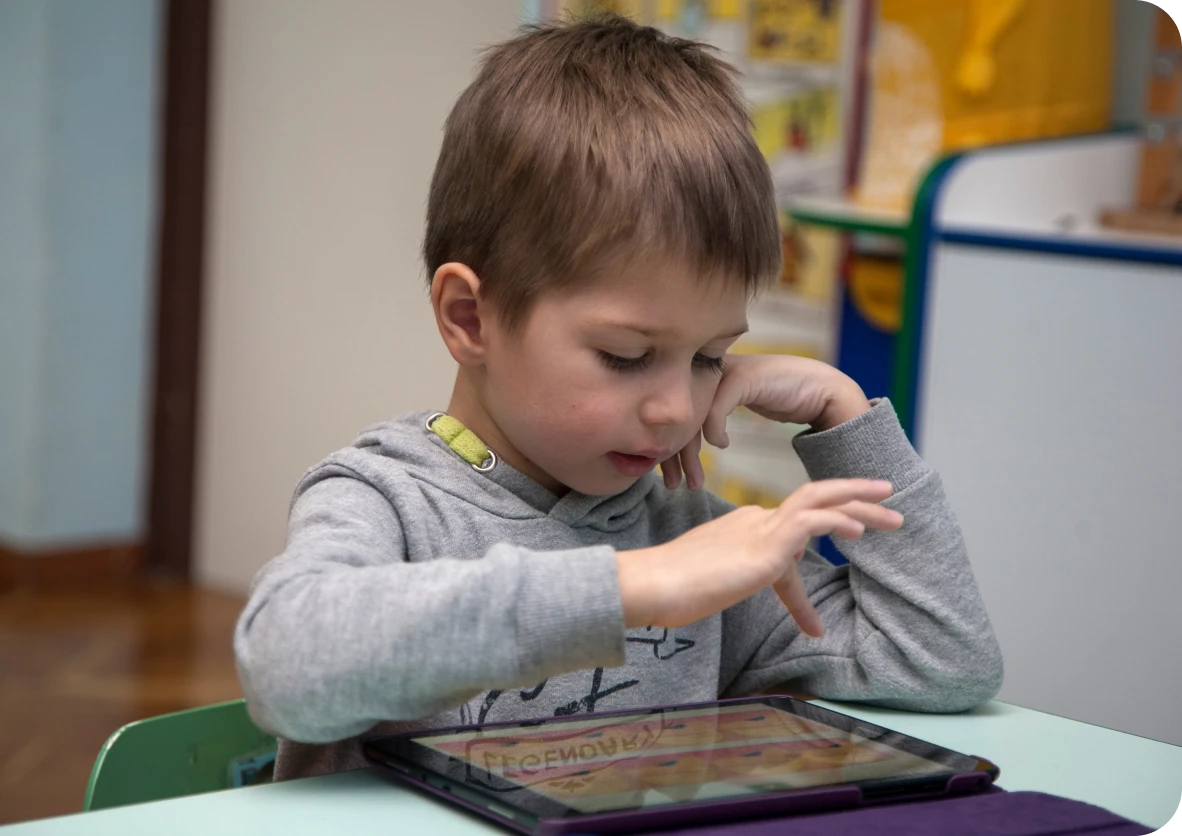
Excessive use of mobile phones, tablets and computers can negatively affect children's concentration and lead to anxiety. Setting clear rules on screen time and encouraging activities like reading, drawing or board games helps children develop healthier habits and a better relationship with reality, outside the virtual world.
How to recognize signs of depression and anxiety?
We often hear the words "depressed" and "anxious," but it is important to distinguish between occasional mood changes and more serious disorders. Depression may involve mood swings, loss of interest and enjoyment, and can also manifest as low energy, sleep and appetite problems, or even physical symptoms like headaches. Anxiety involves a constant feeling of fear or worry, possibly accompanied by physical signs (heart palpitations, sweaty palms, stomach pain).
Some signs of depression:
- poorer performance in school or problems with concentration,
- irritability and aggressive behaviour,
- changes in sleep and appetite,
- withdrawal from social activities or loss of interest in favourite hobbies.
Possible signs of anxiety:
- intense nervousness before speaking in public or answering in class,
- avoiding peer contact and social withdrawal,
- panic attacks with rapid breathing and heart palpitations,
- a feeling that “something bad” might happen, without a clear reason.
If you notice these symptoms, it's important to act early. Talk to your child, listen to them and, if needed, consult a professional (a psychologist, psychiatrist, or school pedagogist).
Parents should also pay attention to their own mental health. If you feel exhaustion or long-term stress, don't hesitate to seek support.
The power of support – Why environment matters
A supportive environment plays a crucial role in preserving children’s mental health. Children who feel loved and accepted, and who receive support from their family, school, and community, are more resistant to stress and have better mental health.
Parents can encourage togetherness by:
- nurturing family values – regularly spend quality time together, talk, and share experiences;
- supporting friendships – help children build healthy relationships with peers and encourage joint activities;
- providing examples of a positive attitude toward mental health – talk openly about emotions and show how to cope with stress in healthy ways.
UNICEF supports the Sve je OK (Everything is OK) platform, where young people can access free mental health services, and parents can find helpful articles and tips on how to support their children during challenging times.
Children’s mental health is our shared responsibility
Children’s mental health is the foundation of their happiness and success in life. Caring for mental health is not a luxury, but a necessity. Every child deserves the chance to grow up in a supportive, understanding and safe environment.
Let’s be part of the change! UNICEF advocates for the provision of support to children and families facing mental health challenges. Your donation can help even more children get the support and help they need.
Support UNICEF's child mental health programs and help ensure every child has a happy and healthy childhood.