How do children experience the holidays?
What does the New Year really mean to children?
Children who experience the holidays differently
How can every child experience the holidays in a safer and more positive way?
Share post
How do children experience the holidays, and what does it take for every child - especially those from vulnerable groups - to welcome the New Year with joy and a sense of safety?
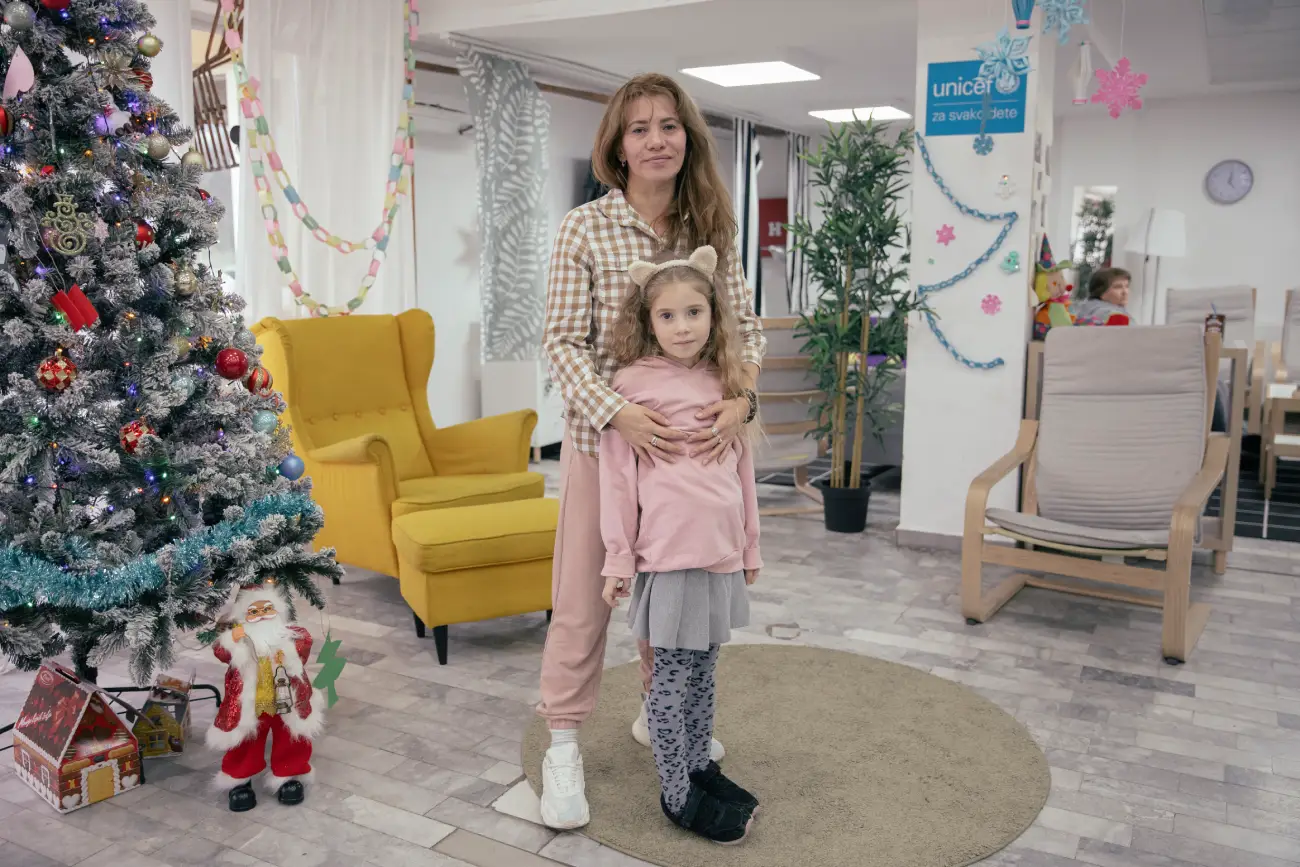
While the New Year often brings new professional or personal plans and resolutions for adults, for children, the holidays mean much more than a change on the calendar. Children associate the holidays with cookies baking in the kitchen, lights on the tree, and familiar voices gathered around the table. The festive atmosphere is not just about decorations and gifts, but about how a child feels: seen, loved, and safe.
When we talk about children and the holidays, we are really talking about every child’s right to a carefree childhood, regardless of where they live or the conditions in which they grow up. That is why it is important to ask: what do the holidays truly look like through children’s eyes?
How do children experience the holidays?
For most children, the holidays are a time when daily routines pause and families spend more time together. They mean sleeping in, sharing breakfasts, watching films wrapped in a blanket, and a feeling that something special is happening.
Children often do not remember exactly which gift they received, but they remember very clearly how they felt: whether someone had time to listen to them, whether there was laughter, tension, arguments, or silence at home. For them, the holiday atmosphere is not measured by the number of presents, but by the warmth of relationships around them.
What does the New Year really mean to children?
A sense of belonging and family warmth
For a child, the New Year is above all a feeling of belonging - knowing they have a place at the table, their own cushion on the couch, and someone to hug them when the clock strikes midnight. A sense of belonging is the foundation of a safe childhood.
UNICEF research shows that children who grow up in supportive family environments, with enough love, learning, and security, have better prospects for healthy psychological and physical development and wellbeing throughout life. Such an environment does not mean a perfect family, but one that is present, caring, and ready to listen - especially during periods when routines change, such as the holidays.
Family warmth for children is often reflected in small, everyday rituals that become more frequent during the holidays, such as:
- decorating the Christmas tree and the home together;
- preparing simple holiday treats or favourite meals;
- watching the same film together every year;
- talking about how the child experienced the past year and what they are looking forward to in the next one;
- involving children in decision-making - from choosing music to arranging seating at the table.
These moments send a clear message: “You matter. We’re glad you’re here.”
For children who may spend much of the year seeing their parents tired, worried, or busy with work, the holidays offer a chance to experience a different rhythm.
Safety, attention, and shared time
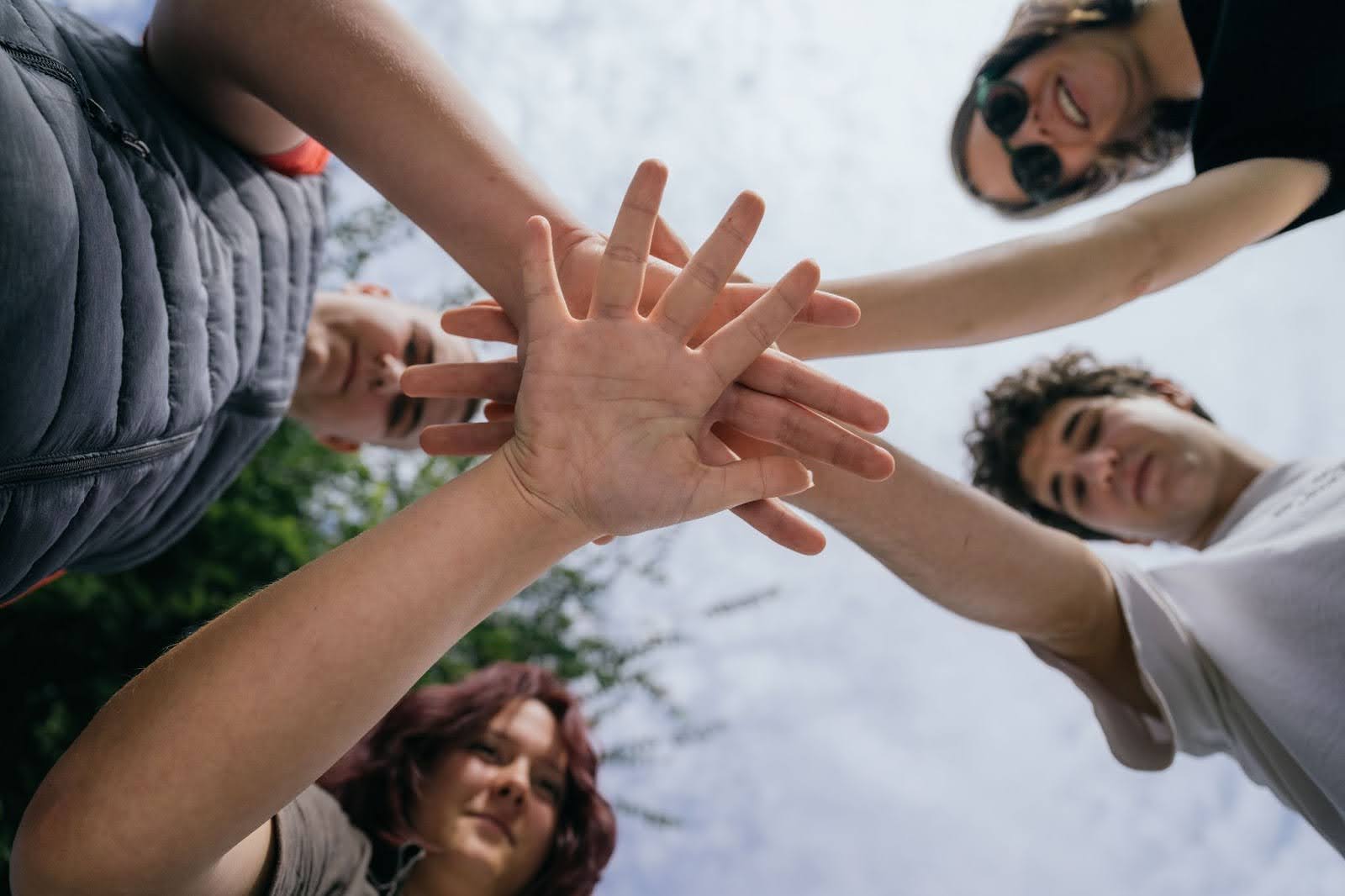
Although gifts often take centre stage, what children truly need during the holidays is a sense of safety - knowing they belong, that they will be protected, and that they can talk about their fears, worries, or sadness.
Children expect three basic things from adults: love, opportunities to learn, and security - all of which can be strongly reinforced during the holiday period.
Safety is not only physical, but emotional. Some children face increased tension at home during the holidays, financial stress among adults, family conflicts, or lonely days without social interaction. In such situations, the following are crucial:
- one-on-one time with a child, even if brief, without phones or other distractions;
- calm conversations when a child shows fear, sadness, or anger - without dismissing their feelings;
- clear rules that still apply during the holidays, helping children feel secure within healthy boundaries;
- reassurance that children are not responsible for adults’ problems - financial issues, work, or family disagreements.
For many families in Serbia, the holiday season comes after a year marked by economic uncertainty and rising living costs. UNICEF analyses show that children are among the most vulnerable groups when it comes to poverty, and that increases in food and energy prices affect families with children first.
The joy of anticipation - not of gifts, but of moments and traditions
Children love anticipation - counting down the days to school holidays, opening presents, or welcoming guests. The joy of anticipation is an important part of the festive atmosphere: it builds optimism, imagination, and a sense that “better days” are coming.
Parents and caregivers can guide this anticipation toward what truly matters for children:
- creating a shared holiday calendar with small daily activities (for example: “today we write a thank-you note”, “today we call someone we miss”);
- agreeing that each family member shares one positive memory from the past year;
- involving children in holiday preparations - cooking, cleaning, decorating;
- encouraging children to think about those who do not spend the holidays in a warm home, through conversation, shared donations, or support for humanitarian actions.
When children learn that traditions, people, and emotions matter more than material things, the holidays become less a source of pressure and more a space for gratitude and closeness - creating memories that last longer than a single night and fostering a sense of meaning and hope.
Children who experience the holidays differently
Unfortunately, for some children in Serbia, the holidays do not mean a warm home, a full table, or a safe festive atmosphere. Research shows that children remain among the groups most exposed to poverty, with recent crises further worsening the situation of the most vulnerable families.
UNICEF projections indicate that absolute child poverty in Serbia is higher than in the general population, and that families with multiple children, as well as those living in Roma communities, are particularly affected by economic hardship. For children living in poverty, the holidays often mean colder homes, modest meals, and a feeling of being “different” from their peers.
Beyond poverty, children’s holiday experiences are also shaped by other factors: growing up without parental care, developmental difficulties, disability, poor mental health, or exposure to violence.
Children from vulnerable groups
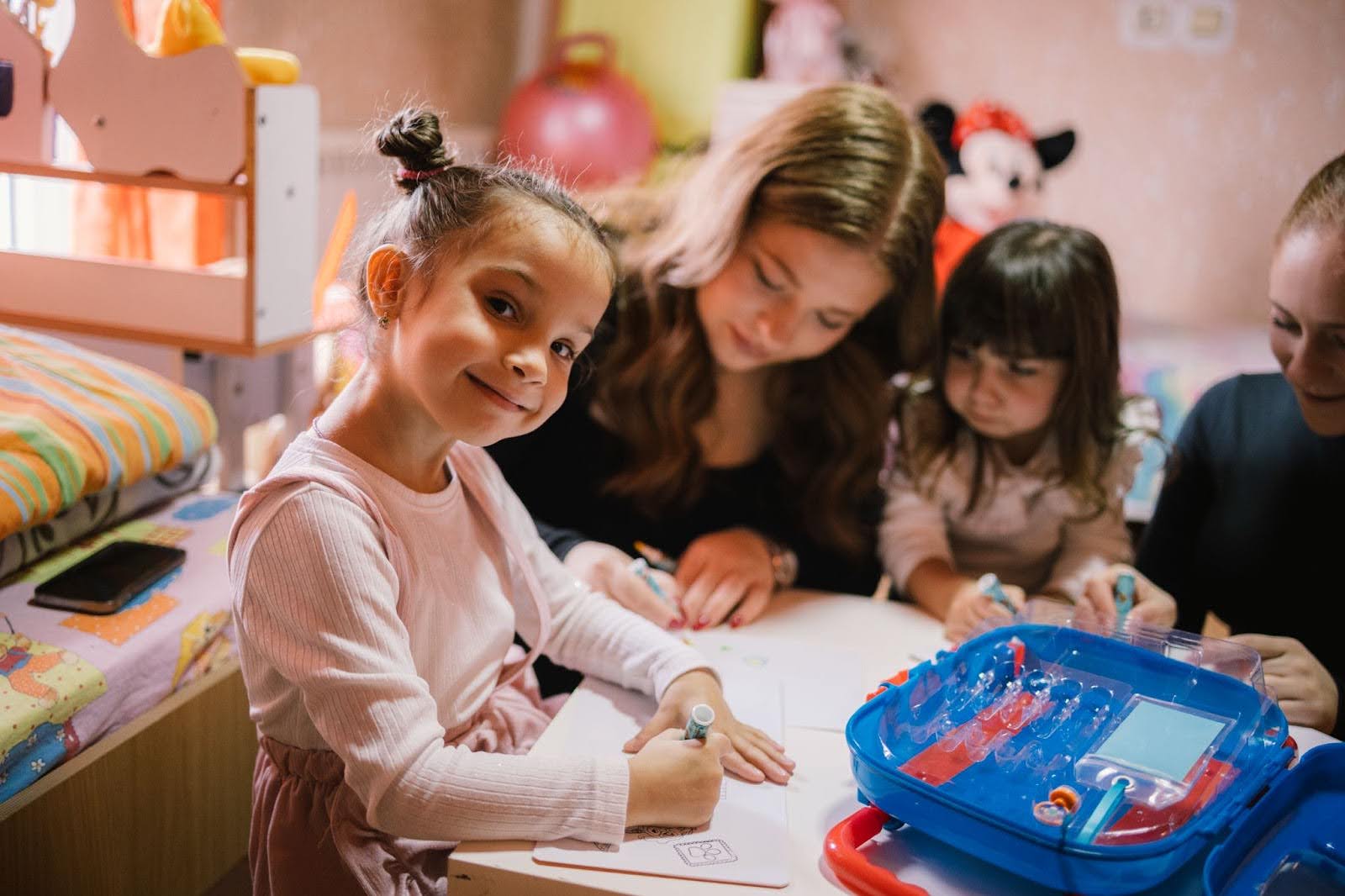
Children growing up in poverty, in families with unstable incomes, or in marginalized communities often experience the holidays differently from their peers.
UNICEF data show that the rate of absolute poverty in Serbia is higher among households with children than among those without, and that children from Roma communities face particularly severe conditions - many lack adequate food, heating, clean water, and safe housing.
In these circumstances, the holidays can bring additional stress rather than joy, as social expectations rise while family resources remain limited.
Vulnerable groups also include:
- children living in rural or remote areas with limited access to services;
- children whose parents work seasonal, insecure, or poorly paid jobs;
- children from families facing debt, job loss, or housing instability;
- migrant and refugee children, who often spend the holidays far from home, in temporary accommodation.
For these children, the holidays can be a reminder of what they lack — a warm home, stable living conditions, and a secure future.
Through campaigns such as “Support for Children in Serbia”, citizens and companies can support programmes that help make holidays - and every other day of the year — more dignified for children from vulnerable groups.
Children without parental care
Children living without parental care often experience the holidays with mixed emotions. Alongside joy, gifts, and shared activities, there may also be feelings of loss, unanswered questions, and heightened sadness for what is missing.
UNICEF situational analyses indicate that some children in Serbia still grow up in institutional care rather than family-based settings, with children with disabilities overrepresented in such institutions.
For children without parental care, the holiday atmosphere depends largely on the willingness of adults around them to invest additional effort in building closeness and routine. It is important that these children:
- have trusted adults they can talk to about their feelings;
- are involved in decisions about how they will spend the holidays;
- have opportunities to take part in shared activities with peers from the community, school, or neighbourhood;
- receive support in building a sense of identity and self-worth, regardless of where they live.
UNICEF in Serbia, together with partners, has been working for years on deinstitutionalization and the development of family support services to prevent the separation of children from their biological families. When separation is unavoidable, the goal is to place children as quickly as possible in foster families or other forms of family-based care.
Children with disabilities and developmental difficulties
Children with disabilities and developmental difficulties often face multiple barriers - from access to education and quality health support to participation in play, cultural activities, and shared celebrations.
UNICEF reports indicate that approximately 13,000 children with disabilities are registered as beneficiaries of Serbia’s social protection system, and that a large proportion of children living in institutions are children with developmental difficulties.
For these children, the holidays can be a wonderful experience - but only if activities are adapted to their needs. This includes:
- accessible spaces without architectural barriers;
- adapted communication (easy-to-read language, visual support, assistive technology);
- patience and understanding when children need more time or different ways to participate;
- professional support and family assistance in organizing activities that suit the child.
An inclusive approach means not organizing “special holidays” for children with disabilities, but planning every activity - in schools, kindergartens, and communities - so that every child can participate.
How can every child experience the holidays in a safer and more positive way?
If we want the holidays to truly be a time of joy for every child, we must also think about those spending them in difficult circumstances - in poverty, without parental care, with mental health challenges, or exposed to violence. UNICEF analyses highlight that poor mental health among children and adolescents can have long-term consequences.
It is particularly concerning that a significant proportion of young people in Serbia report worsening mental health, while stigma and limited access to services remain barriers to seeking help.
At the same time, there are simple steps that families, schools, local communities, and donors can take to create safer, warmer, and more inclusive holidays. It is essential that children and young people feel care and warmth - through self-care, family and peer support, and conversations with professionals when needed. Equally important is community support through programmes that provide mental health services and social or material assistance to families most in need.
Creating a safe and supportive environment
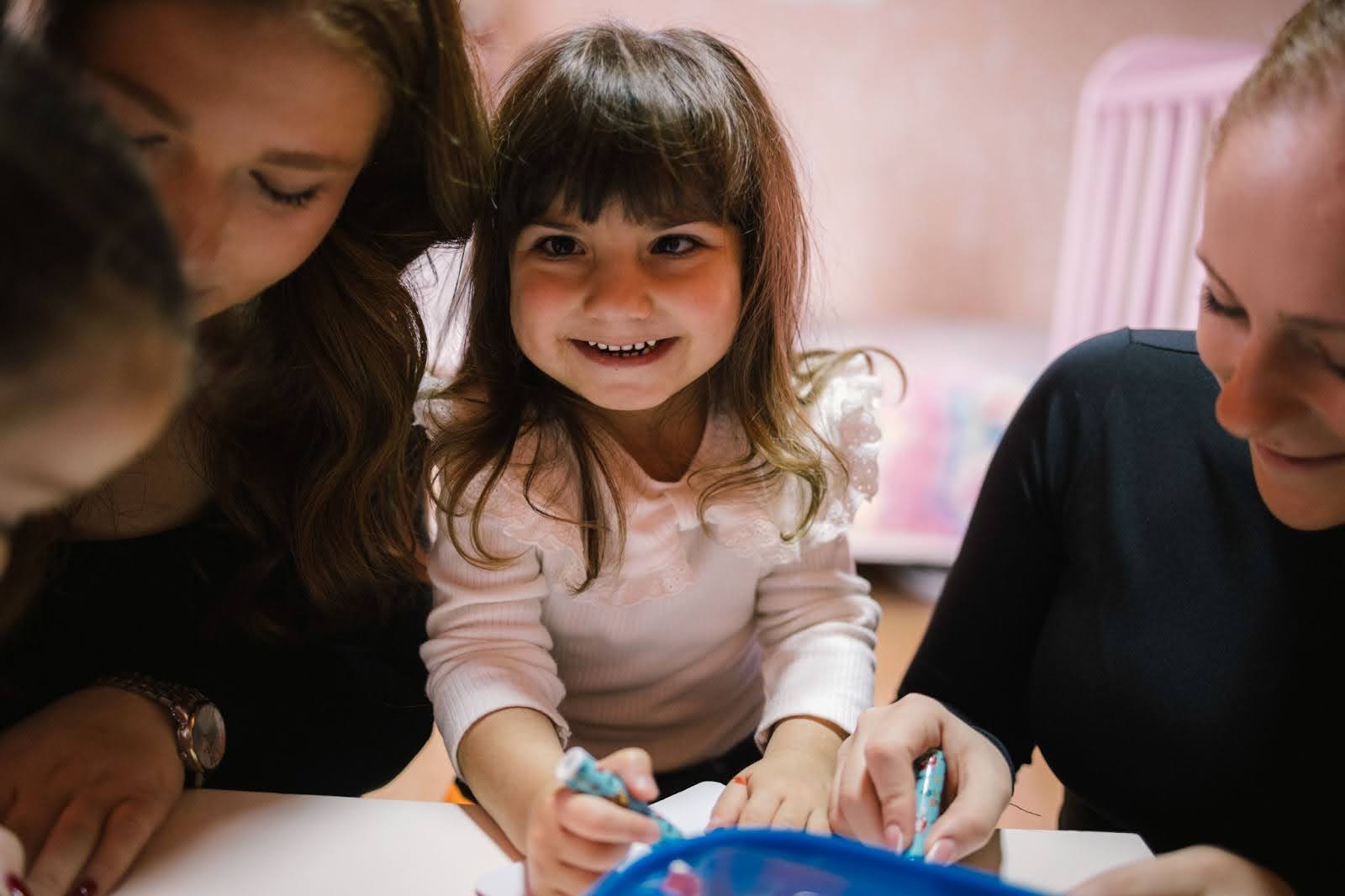
A safe environment for a child means knowing there is someone to turn to - that adults are available, present, and ready to act when protection or support is needed. During the holidays, when schools are closed and routines disrupted, special attention should be paid to children already at increased risk - those experiencing peer violence, neglect, or emotional abuse.
Families and communities can help create a safe environment by:
- clearly communicating to children that they have the right to speak about anything that worries them;
- responding when signs of violence or neglect are noticed, within the family or the wider community;
- supporting local services and programmes working with children and families - from social welfare centres to counselling services and school support teams;
- informing children where they can seek help if they feel unsafe.
A supportive environment also means ensuring that services - health, education, and social protection - truly reach every child, including those in remote areas, children with disabilities, and children from poor families and Roma settlements.
Access to play, social interaction, and activities that nurture childhood
Play is not a luxury - it is a fundamental right of every child and a key element of a healthy, stimulating environment. Play is the language of childhood. In conditions of poverty, stress, or family conflict, children often have fewer opportunities for play, social interaction, and creativity.
The holidays can be a chance to recreate these opportunities - through shared family activities, school and community programmes, or initiatives supported by UNICEF and its partners that promote playful parenting and learning through play.
Parents and caregivers can support children’s right to play by:
- incorporating play into everyday routines and communication - play helps children learn, resolve conflicts, and strengthen bonds;
- setting aside at least a little time each day for play without phones or distractions;
- involving children in simple, low-cost activities that do not require expensive equipment (board games, walks, drawing, storytelling);
- allowing children to invite a friend over, even if the home is not “perfectly tidy”;
- supporting school and local initiatives that organize workshops and creative activities during school breaks.
UNICEF programmes focused on education, mental health, and family support are built on the belief that every child has the right to a childhood filled with play, learning, and a sense of belonging.
Supporting the emotional needs of children and adolescents
Emotional needs often remain in the shadow of holiday preparations, shopping, and logistics. Yet for many children, this is precisely the time when feelings of loneliness, discomfort, or anxiety may surface - as holidays can also be linked to difficult family emotions.
Parents, caregivers, and other adults can support children’s emotional needs by:
- regularly asking children how they feel, not only what they are doing or what gift they want;
- taking children’s concerns seriously, even when they seem “small” from an adult perspective;
- showing that it is okay to talk about sadness, fear, or anger without judgment;
- seeking professional support - from paediatricians or psychologists - if a child shows prolonged distress, withdrawal, irritability, concentration difficulties, or significant behavioural changes;
- taking care of their own mental health, as children are highly sensitive to adults’ emotional states.
UNICEF mental health campaigns in Serbia, such as “It’s Not You - It’s What You’re Going Through”, remind us that seeking support is a sign of strength, not weakness. The holidays are a good opportunity for families to pause together and agree on how the coming year can be one in which greater care is taken for everyone’s emotional wellbeing - especially children’s.
We invite everyone to visit svejeok.rs, where they can find practical mental health tips, information about available support services, and guidance on where to turn for professional help.
The role of UNICEF and the community
For every child in Serbia to experience the holidays with joy rather than fear, collective effort is needed — from state institutions, professionals, local communities, families, and every individual willing to help.
UNICEF in Serbia, together with partners, works to improve children’s wellbeing across multiple areas: reducing child poverty and strengthening social protection, advancing inclusive education and early childhood development, improving mental health services, and protecting children from violence.
The community also plays a crucial role. The holidays are a reminder that solidarity is not only about giving gifts to those closest to us, but also about being willing to support those we may never meet. Through online donations to UNICEF, individuals and companies can support programmes that ensure a warmer, safer, and more equal childhood for the most vulnerable children in Serbia.
The New Year through a child’s eyes should not be just decorations, gifts, and fireworks in the sky, but the creation of a sense of belonging, love, trust, and joy. It is up to all of us to help make that feeling a reality for every child.