
Why it is important to focus on the child, not the diagnosis
Challenges faced by families of children with Down syndrome
Social inclusion and prejudice
Early and continuous support for children with Down syndrome
Why every day is an opportunity to support and understand children with Down syndrome
Share post
World Down Syndrome Day is marked on 21 March around the world. The date symbolizes the three copies of chromosome 21 that represent the genetic characteristic of people with Down syndrome.
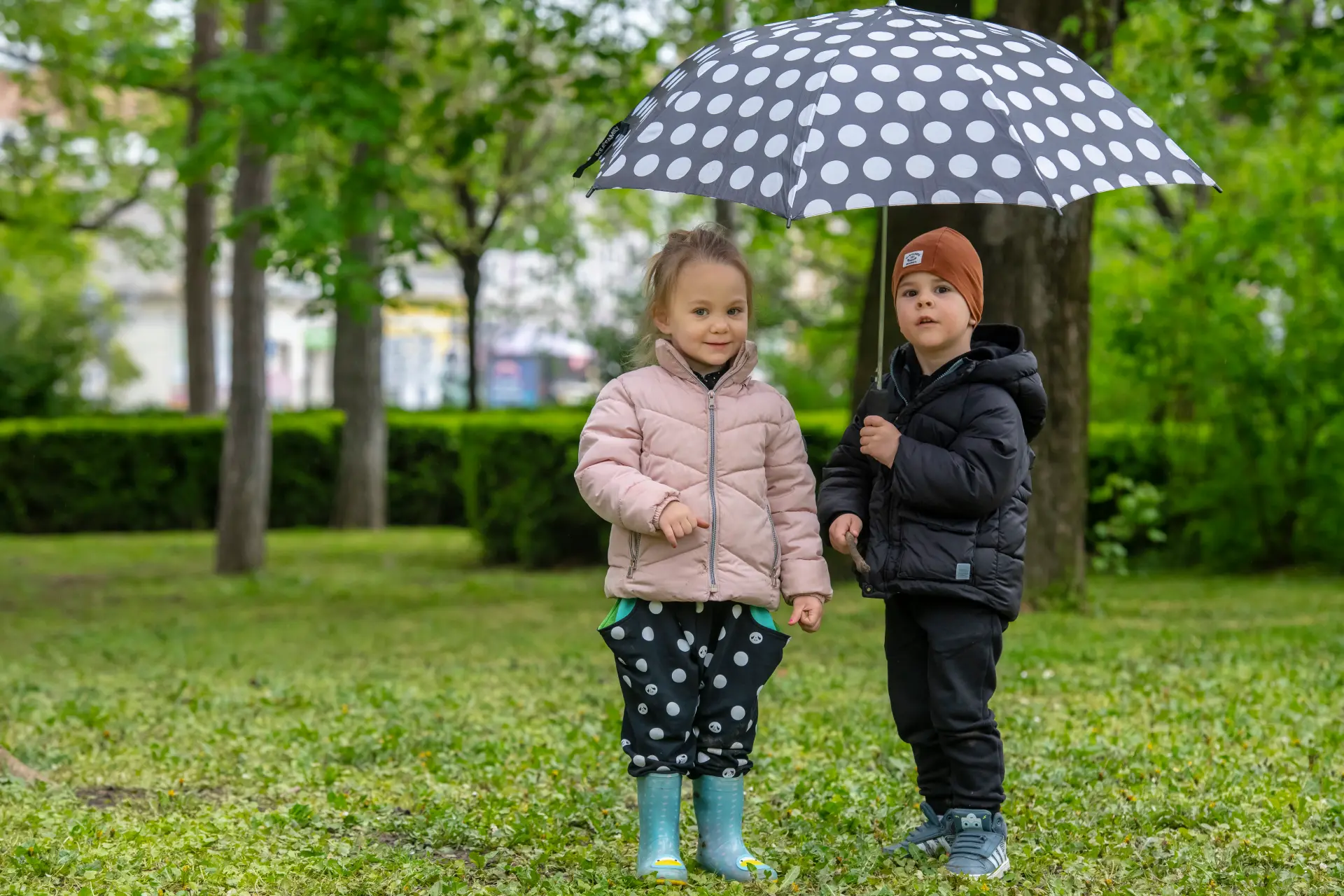
Another way to mark the day is by wearing colorful, mismatched socks as a symbol of embracing differences and supporting people with Down syndrome. Behind this simple gesture lies an important message: every child and person with Down syndrome has the right to support, understanding, and the opportunity to develop their potential.
Talking about Down syndrome is not only a medical topic—it also touches on children’s rights, access to developmental support, and the ability for children with developmental difficulties to grow up in a society that accepts and includes them.
What is Down syndrome?
Down syndrome is a genetic condition that a person is born with. It can affect the pace of development, learning, and certain health characteristics.
What is most important to understand is that children with Down syndrome may have developmental challenges, but they still have the same needs—for love, support, learning, access to services, and more. Like all other children, children with Down syndrome have their own personalities, interests, and abilities.
With appropriate and timely developmental support, many children with Down syndrome can and should:
learn and develop new skills
attend preschool and mainstream school
participate in activities with their peers
develop independence as they grow
Long-term outcomes for children with Down syndrome depend less on the child’s abilities and more on whether—and to what extent—society provides the support and opportunities they need to reach their full potential.
Why it is important to focus on the child, not the diagnosis
When we talk only about the diagnosis, it is easy to lose sight of what matters most—the child.
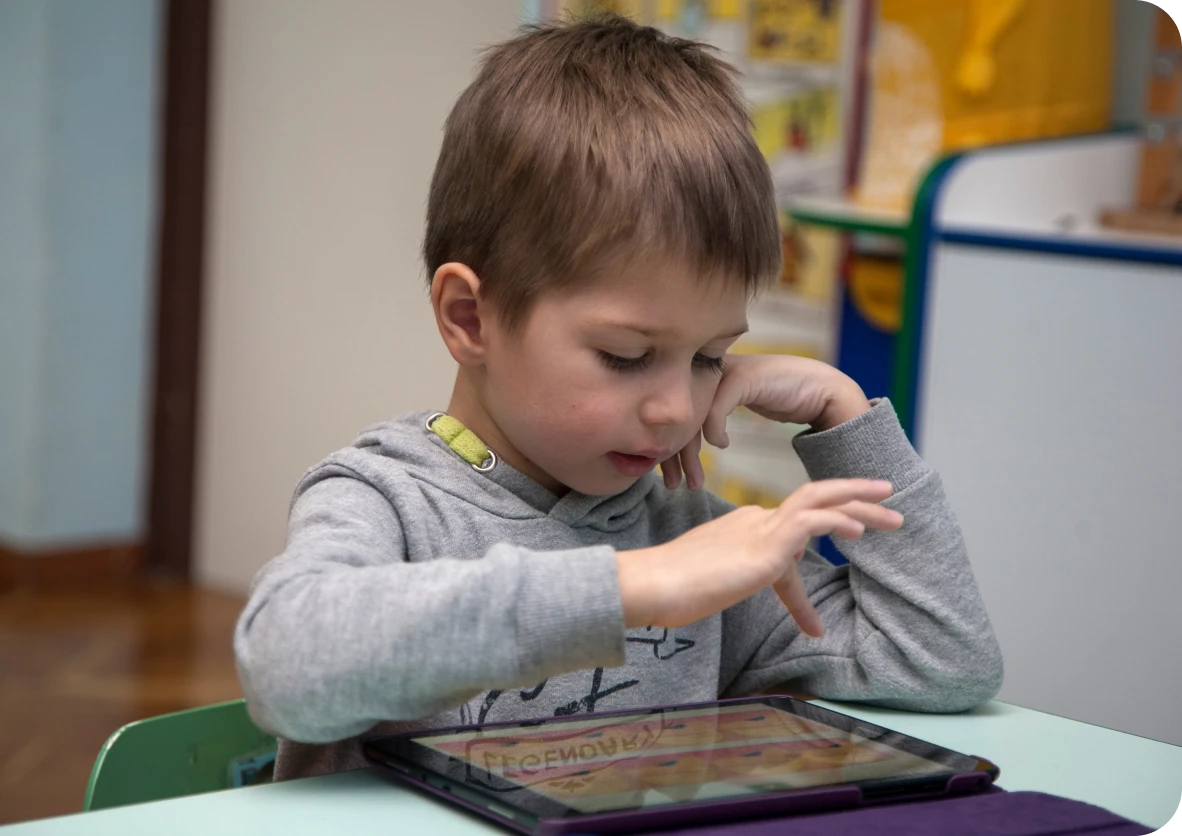
Children with Down syndrome are, first and foremost, children. They have the right to play, friendships, education, and developmental support—just like their peers.
Supporting children with developmental difficulties means that society:
recognizes and develops each child’s potential and ensures their participation in society
provides inclusive education
supports families
creates a stimulating, discrimination-free environment
Challenges faced by families of children with Down syndrome
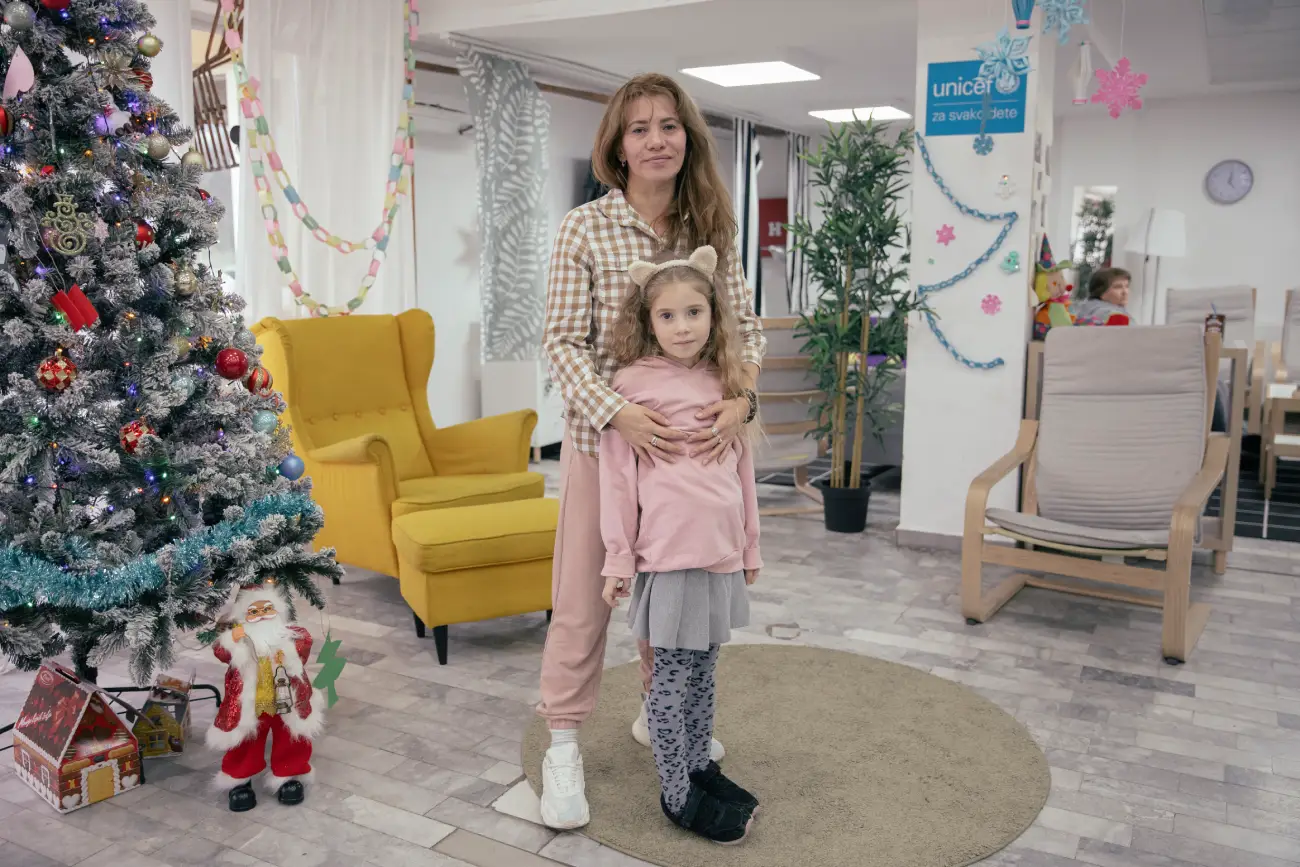
Families of children with Down syndrome often face numerous challenges—from access to appropriate health and social services to adequate support in education.
In addition, many parents navigate a complex system of services every day, searching for information and support that is not always easily available. Continuous support from communities and institutions can significantly ease their journey. Through various programmes and projects, UNICEF in Serbia works to improve quality and access to services for families of children with developmental difficulties.
Access to healthcare
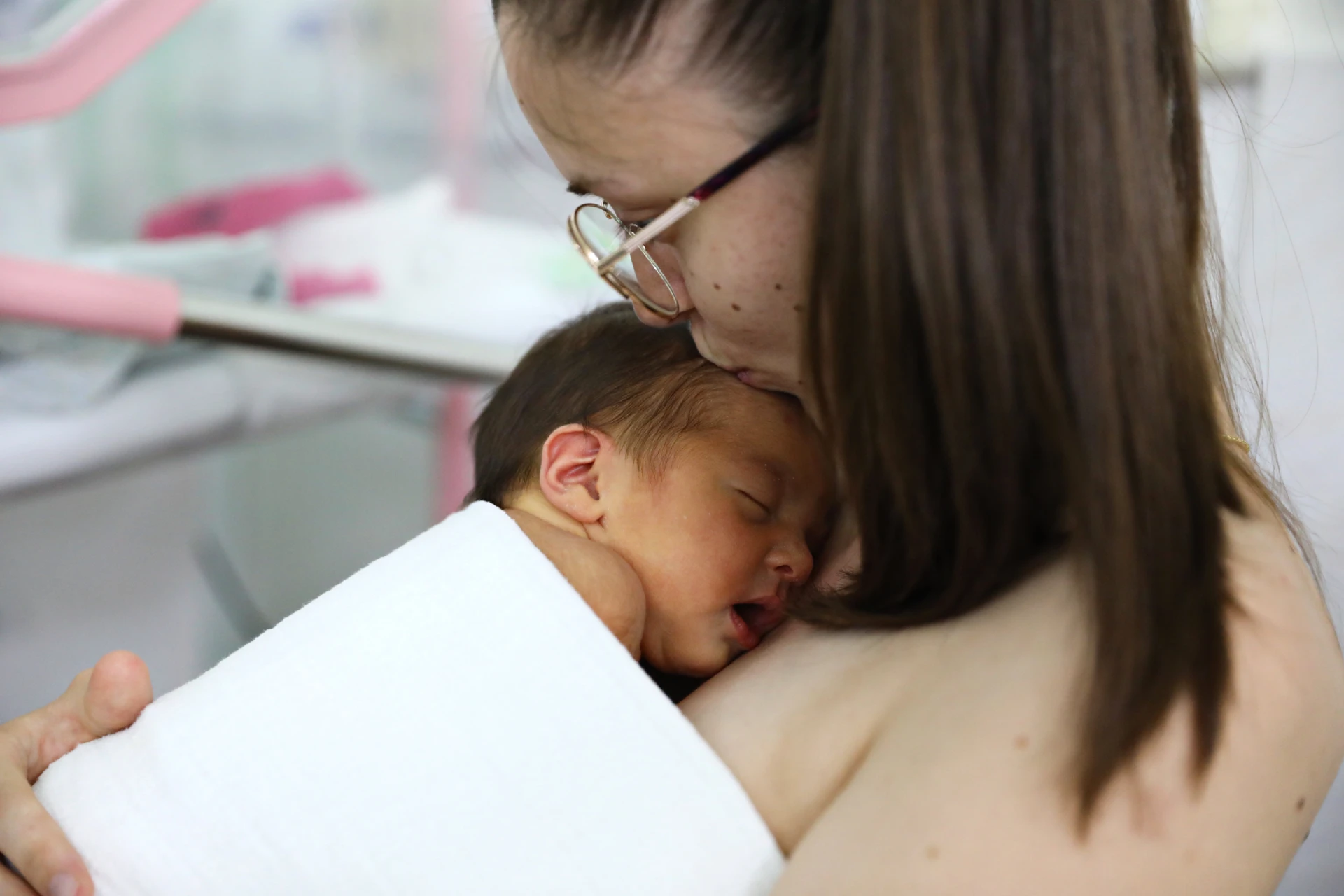
Children with Down syndrome sometimes require additional and more intensive healthcare support, which is why it is important for the healthcare system to be accessible and supportive.
Regular check-ups, early identification, and early intervention can significantly contribute to their development and improve quality of life. That is why it is essential for families to have timely information and access to professional support.
Inclusive education
Inclusive education enables children with developmental difficulties to learn and grow together with their peers.
In such an environment, all children develop social skills, self-confidence, and a sense of belonging. At the same time, children discover the value of diversity, learn to cooperate and respect one another, and build the foundations for a life rooted in understanding and support.
Social inclusion and prejudice
One of the biggest challenges remains social prejudice, which can limit opportunities for inclusion in the community.
That is why it is important to build an environment where differences are accepted and respected. When the community provides support, children gain more opportunities to grow, develop their potential, and feel accepted.
Early and continuous support for children with Down syndrome
Developmental support is most effective when it starts early and continues throughout childhood and adolescence.
Support may include:
early intervention services (PORI) aimed at enhancing child development
support in strengthening families
parent education
inclusion of the child in preschool and community life
UNICEF, in cooperation with institutions and partners, works to improve the support system for children with developmental difficulties in Serbia. Through regular monthly donations, you help ensure that resources reach those who need them most.
Why every day is an opportunity to support and understand children with Down syndrome
World Down Syndrome Day is just a reminder that diversity makes every society stronger.
That is why every day is an opportunity to:
learn about differences, strengths, and the challenges they bring
support families
build a society that includes every child
Supporting children with developmental difficulties means investing in a fairer and more inclusive society—one in which institutions are strengthened so that every child can grow, learn, and develop according to their abilities. If you would like to help children in Serbia, donate today and ensure your support reaches those who need it most.